
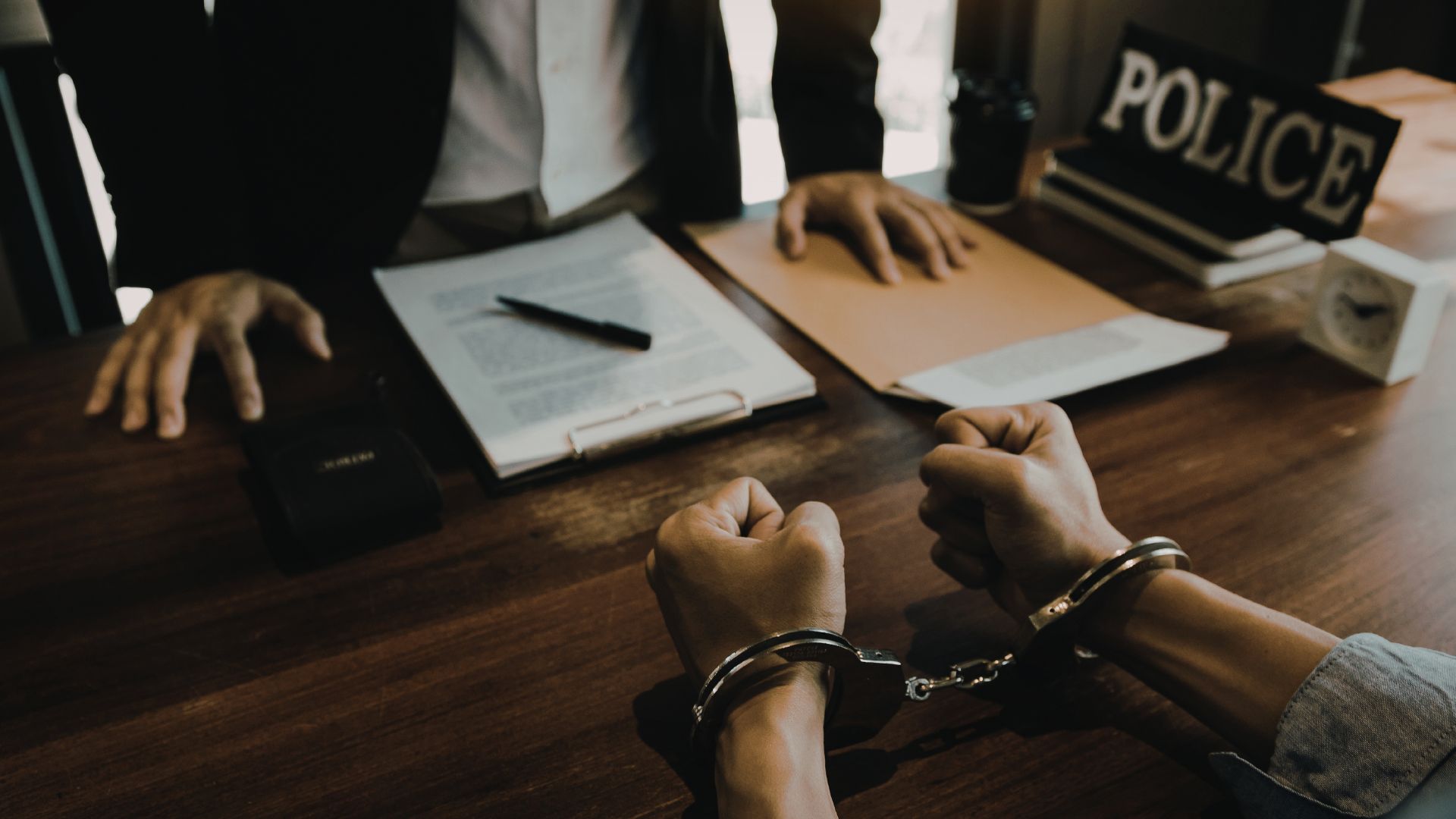
The police report is usually the first piece of information a prosecutor reviews. It becomes the framework for how charges are filed and how the case is presented. However, these reports are often written quickly and from a single point of view. They tend to summarize events instead of explaining them in full.
Because of that, important details can get lost. Tone, timing, and context rarely come across clearly in written form. The way a movement is described can make it seem intentional when it was not. The way a delay is written can make it seem like defiance. Careful review of these reports often reveals gaps that need to be addressed before the case moves forward.
Why Officer Statements May Not Capture the Full Context of an Arrest
Arrests rarely happen in quiet, controlled environments. There is noise, movement, and pressure, especially in areas with heavy foot traffic or busy intersections. Officers are making decisions in real time, and that affects how they later describe the situation.
When those descriptions get reduced to a few lines in a report, they often lose important context. A person stepping back may have been trying to understand instructions. A delayed response may have come from confusion, not refusal. Looking at the full setting surrounding the encounter often changes how those actions are interpreted.
How Conflicting Officer Accounts Create Opportunities for Defense
When more than one officer is involved, their recollections do not always line up perfectly. Each officer sees events from a different position and processes them differently. Over time, those differences show up in their reports and statements.
These inconsistencies can become a key part of the defense. When details do not match, it raises questions about reliability. Even small differences in timing or positioning can affect how the case is viewed. Identifying those issues early creates an opportunity to push back against assumptions before they take hold.
Why Detailed Timeline Analysis Matters in Miami Arrest Cases
A resisting arrest charge often depends on how a sequence of events is understood. Without a clear timeline, it becomes difficult to determine what actually happened and why. That is why breaking down events moment by moment is so important.
Reconstructing the timeline helps identify gaps, overlaps, and inconsistencies. It also helps clarify whether actions were reactions rather than intentional resistance. When the timeline does not support the allegation, the entire case can shift in a different direction.
How Location-Specific Factors Affect Officer Perception
The environment where an arrest takes place can influence how behavior is perceived. In Miami, many arrests happen in areas with heavy traffic, crowded sidewalks, and constant movement. These conditions affect visibility, communication, and reaction time.
Looking at the surroundings often explains why something happened the way it did. A person may not hear a command clearly. An officer may misinterpret movement because of distractions. Factoring in the location helps present a more accurate version of events rather than a simplified one.